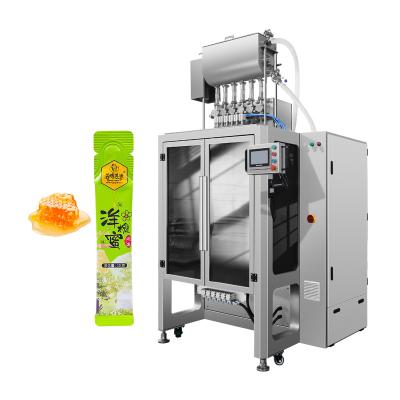
Spice Packaging Machine: Complete Guide for Manufacturers

  • 2026-07-20

From chili powder and curry blends to seasoning mixes and powdered sauces, spice makers face special challenges. As they increase production, these challenges can grow. Fine powders tend to create airborne dust, clump under changing humidity, and shift in density during dosing. Overcoming these hurdles requires a reliable powder packaging machine specifically engineered for dosing accuracy, clean operation, and flexible pouch configurations.
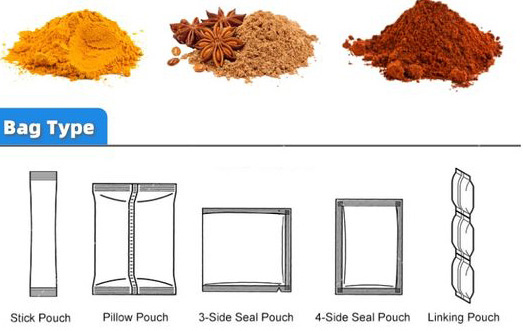
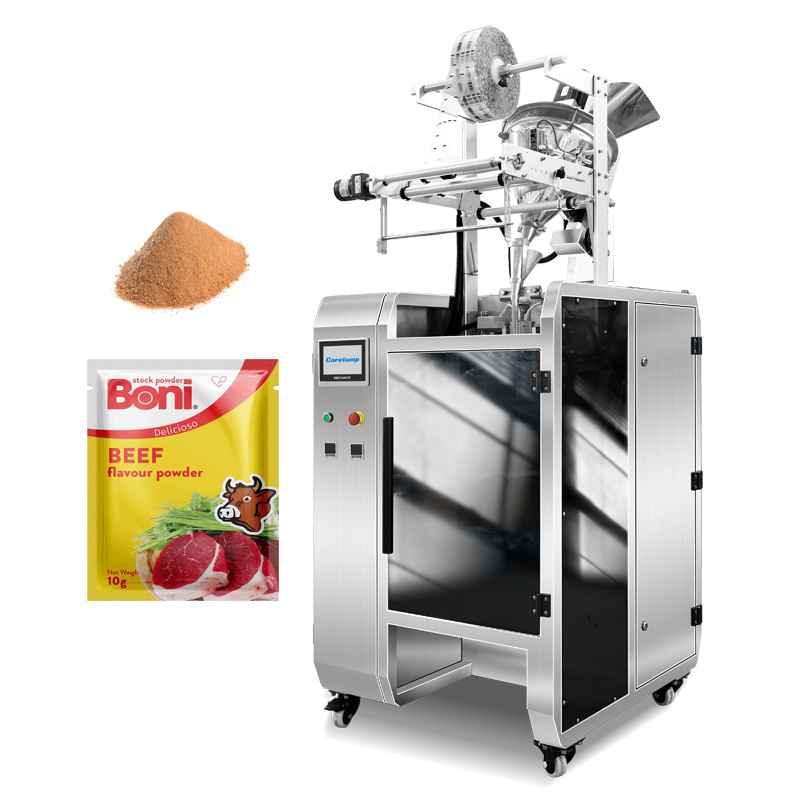
powder sachet packaging


How Does a Spice Packaging Machine Work?

For B2B buyers and manufacturers evaluating automated equipment for the first time, understanding the core mechanism is key to selecting the right setup. A dedicated spice packaging machine typically operates through four seamless steps:

Feeding: Raw powder is fed into the top storage hopper via a vacuum feeder or screw conveyor, maintaining a consistent product supply without manual intervention.
Dosing: An integrated auger filler for powder uses servo-driven rotating screws to measure exact volumetric or weight-based portions, pushing fine spices downward while containing airborne dust.
Bag Forming: Flat packaging film is pulled over a forming collar, shaping the material into a tubular stick pack or flat sachet around the filling tube.

Sealing & Cutting: Heated sealing jaws create strong vertical and horizontal seals, enclosing the measured powder. A precise cutter separates individual pouches, delivering clean, market-ready single-serve packets.
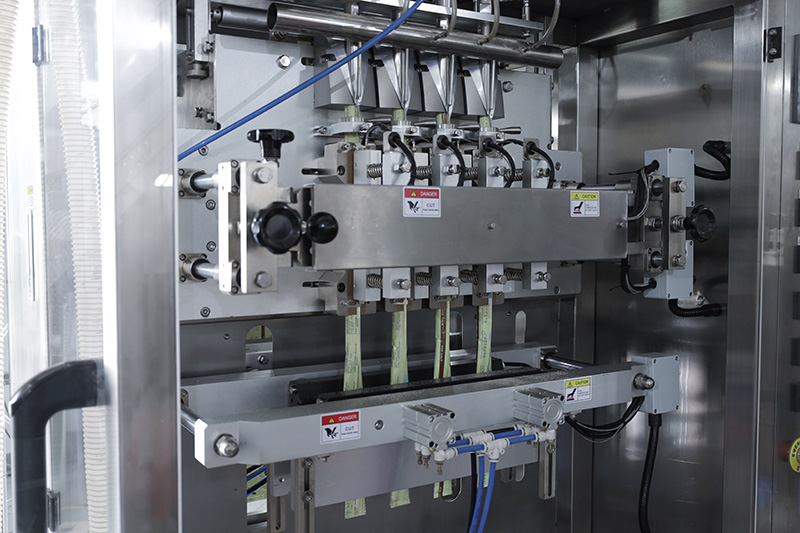
multi lane packaging machine


How to Choose the Right Spice Packaging Machine

Selecting the right equipment impacts long-term production efficiency, product quality, and operational ROI. When evaluating options, manufacturers should focus on three primary criteria:

1. Powder Characteristics

Different spice powders exhibit vastly different flow behaviors:

Fine & Dust-Prone Powders: Ingredients like fine chili powder, paprika, or turmeric generate high levels of airborne dust during discharge. These require sealed auger systems, enclosed filling zones, and active dust extraction hoods.
Oily & Sticky Blends: Blends rich in natural oils (such as nutmeg or heavy curry blends) can cling to hopper walls. They benefit from vibrating hoppers and anti-stick PTFE coatings.
Coarse Seasonings: Coarser spice blends or sea salt mixtures require larger dosing tools or volumetric cup feeders to maintain particle consistency without crushing the product.

2. Packaging Format

Your choice of pouch style directly influences consumer appeal and material costs:

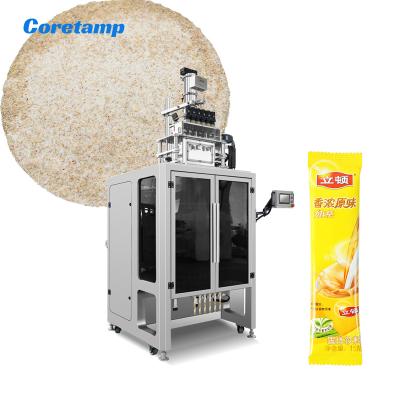
Stick Packs: Slender, tubular pouches ideal for single-use drink mixes and portable spice portions.
Sachets: Traditional flat 3-side or 4-side sealed packets offer a classic presentation with ample surface area for branding.
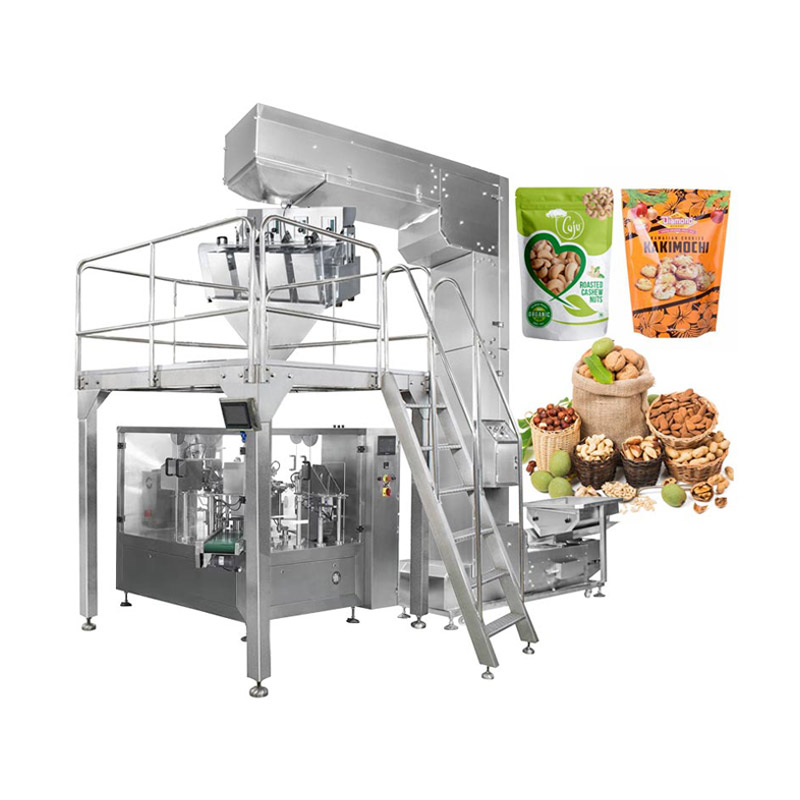
Premade Pouches: Stand-up pouches or zipper bags used for larger retail packs, requiring specialized pick-fill-seal machinery.

3. Production Capacity

Matching machine output with business volume prevents operational bottlenecks:

Startups & Small Batches: Single-lane vertical form-fill-seal (VFFS) systems offer low entry costs and easy operation.

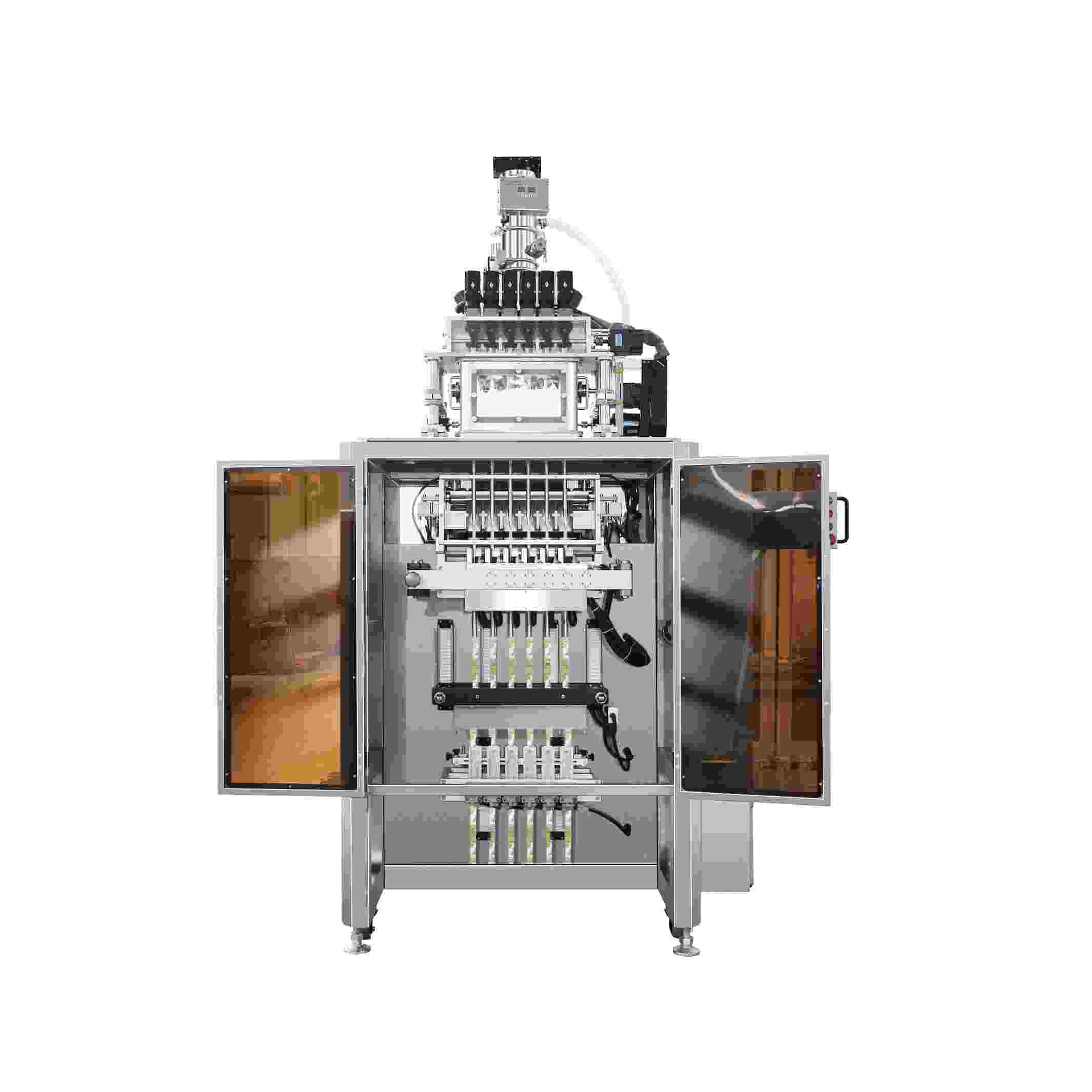
High-Volume Facilities: Large factories should invest in a multi-lane packaging machine. Pair it with automatic vacuum feeders and integrated checkweighers. This setup supports continuous, high-speed output.
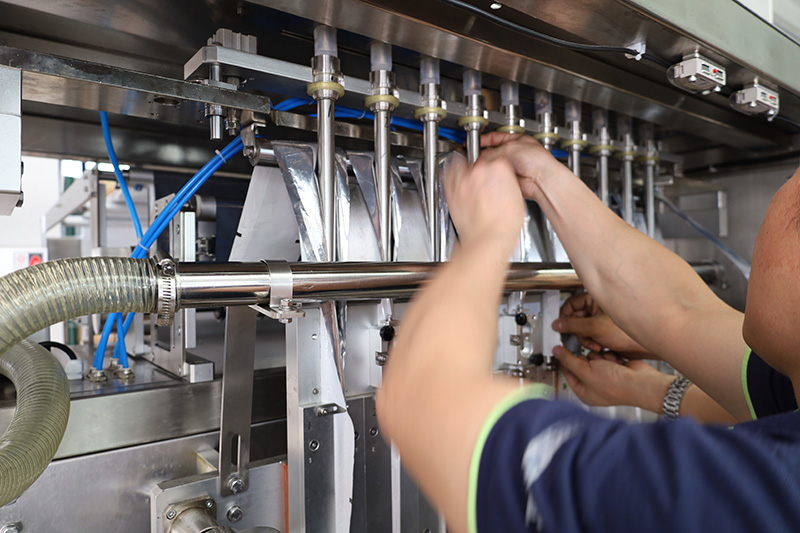
curry sachet packaging machines


Single-Serve Formats: Stick Packs vs. Sachets

As consumer demand shifts toward portion control and on-the-go convenience, single-serve options have become essential across the spice and food industries.

The Power of Stick Packs

Slender stick packs help manufacturers cut film consumption by up to 30–40% compared to traditional rectangular sachets. Running multiple lanes in parallel multiplies output dramatically without requiring expansive floor space

When budgeting for automated equipment, the total stick pack machine price depends heavily on lane count, automation features, and overall speed capabilities:

Machine Class
Typical Lanes
Speed Range (PPM)
Ideal Application
Entry-Level/ Single-Lane
1Lane
30 - 60
Small batches,startups. specialty spice blends
Mid-Tier Multi-Lane
4-6Lanes
150-300
Growing regional brands, dedicatedseasoning lines
High-Speed Industrial
10+ Lanes
500+
High-volume food stick pack packaging machines

Traditional Powder Sachets

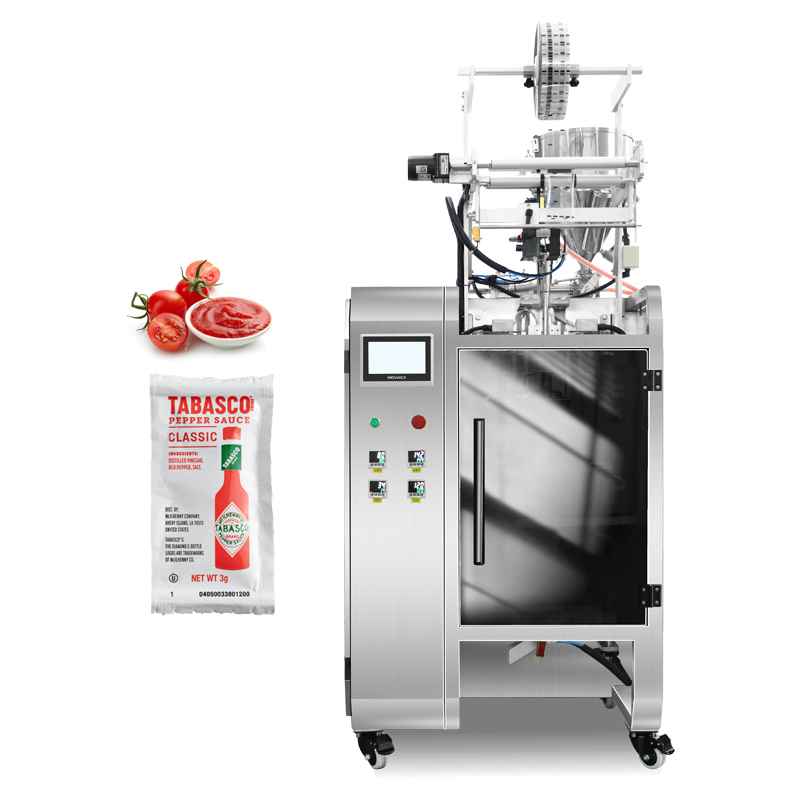
While stick packs offer space-saving convenience, flat powder sachet packaging remains a top choice for larger volumetric fills. Flat sachets offer more space for bold branding, nutrition facts, and cooking steps. This makes them ideal for curry sachet packaging machines and meal-kit seasoning packs.

Specialty Food Applications

Dry food products require tailored dosing environments based on their sensitivity to air, moisture, and essential oils:


Spices & Seasonings: Essential oils in spices can cause powder to stick to sealing jaws. Anti-drip cut-off nozzles and vibrating hoppers ensure clean seal zones without product entrapment.

Coffee & Instant Beverages: Aroma preservation is key when operating a coffee powder packing machine. Integrating a nitrogen flushing step right before sealing displaces oxygen, extending shelf life significantly.
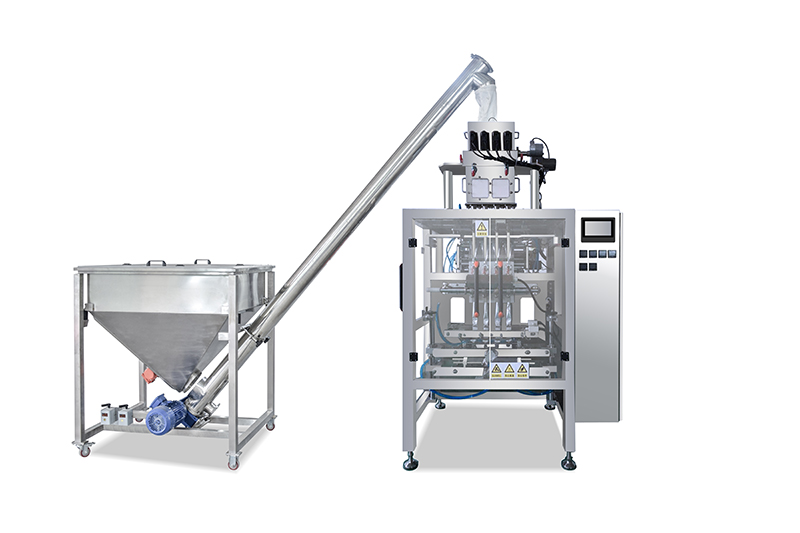
stick pack packaging machine


In-House Machinery vs. Contract Packaging Services

When expanding capacity, brands must choose between capital investment and outsourcing:

In-House Machinery: Buying your own equipment gives full control over quality and production schedules. It can also reduce long-term costs at scale.

Contract Packaging Services: Brands testing new markets or managing seasonal spikes often utilize third-party stick pack packaging services. Co-packers deliver quick market access without upfront equipment purchases.
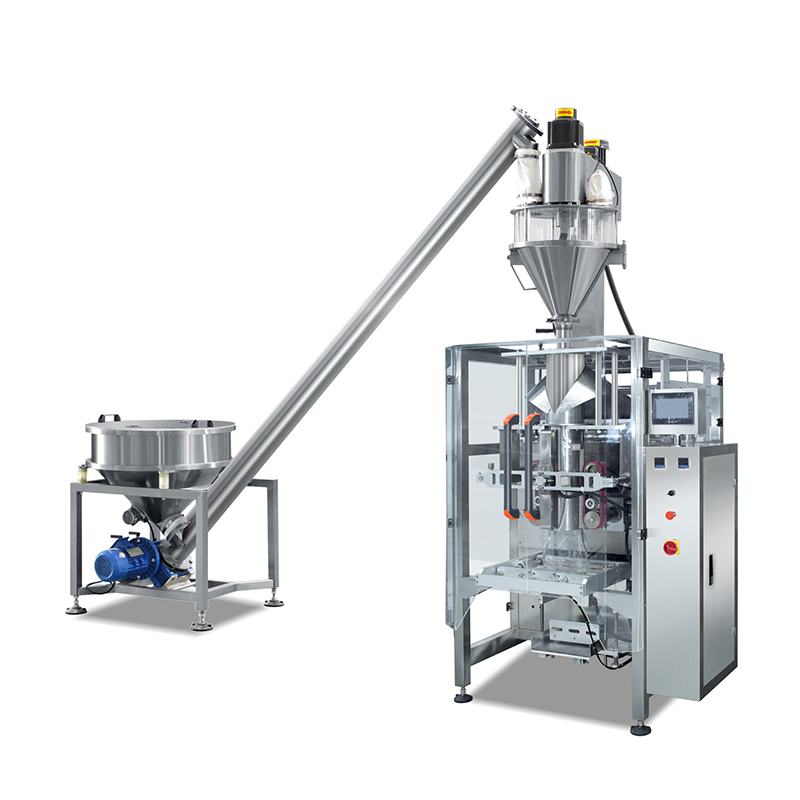
powder packaging machine


Frequently Asked Questions (FAQ)

What type of filler is best for spice powder?
People universally recommend an auger filler for fine spice powders. Because spices like chili, garlic, or curry powder are non-free-flowing and prone to dusting, the rotating screw mechanism of an auger filler delivers precise volumetric dosing while keeping dust contained.

Can a spice packaging machine handle different spice blends?
Yes, modern packaging machines can process a wide variety of spice blends. However, since blends differ in density and oil content, quick-change auger screws are vital for fast changeovers. Easy-to-clean, food-grade contact surfaces, like 316 stainless steel, also support rapid turnarounds.

What is the difference between sachet and stick pack packaging?
Stick packs are long, narrow tubular pouches sealed with one longitudinal seam and two end seals, consuming less film per volume. Sachets are wide, flat pouches sealed on three or four sides. They offer more space for printing and hold more volume.

How does dust control improve spice packaging?
Fine powder dust can settle on film edges before sealing, causing weak or leaking seals. Built-in dust extraction systems and enclosed filling tubes keep sealing areas clean. This ensures hermetic, airtight packaging and supports safe, clean plant operations.
Foshan Coretamp Packaging Machinery Co., Ltd.

Foshan Coretamp maquinaria de envasado Co., ltd. se especializa en la producción de máquinas de envasado de almohadas, máquinas de envasado vertical, máquinas de envasado en línea de procesamiento de alimentos, máquinas de envasado de verduras, máquinas de embalaje, etc.

© Derechos de autor: 2026 Foshan Coretamp Packaging Machinery Co., Ltd. Todos los derechos reservados.

IPv6 red compatible

Enlaces amigables :

Color Sorter
top