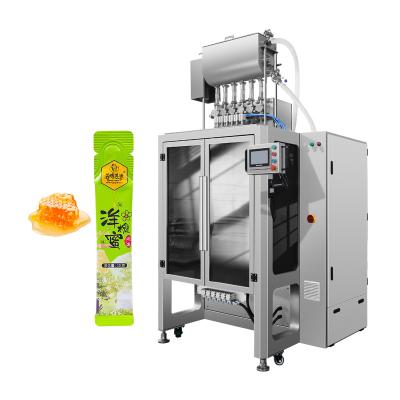
Common Problems in Automatic Packaging Systems and How to Solve Them
However, even the most advanced automated packaging systems are not entirely immune to operational hiccups. Mechanical wear, calibration drifts, and material inconsistencies can occasionally disrupt an automatic packing line. Understanding common issues with an automatic packaging machine, and knowing how to fix them, is essential. It helps keep productivity high and downtime low.
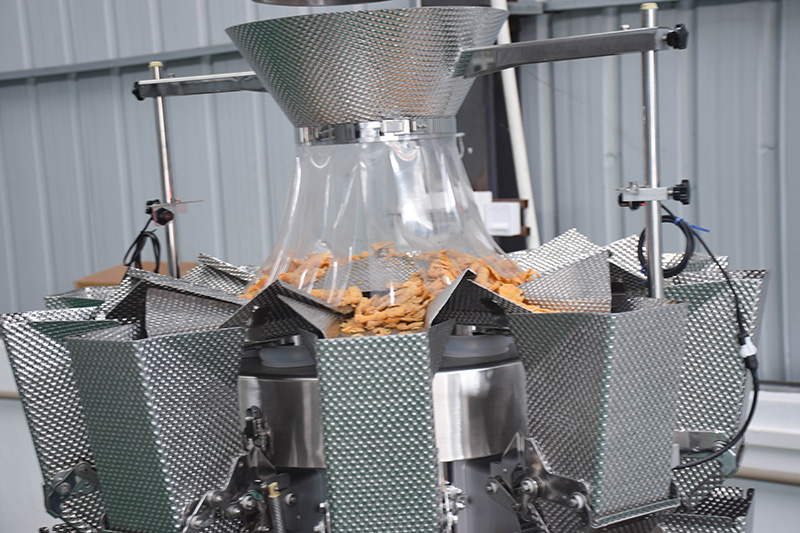
One of the most frequent challenges encountered in a food packaging system is inconsistent material flow. Granules come in various shapes, sizes, and moisture levels, which can drastically affect how they travel through a machine.
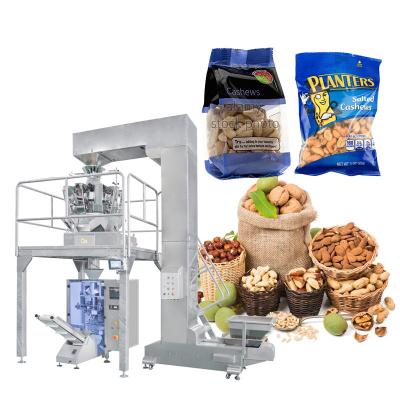
The Problem: Sugar, salt, or fine powders can absorb ambient moisture, leading to clumping. Conversely, oily products like nuts can stick to the walls of the hoppers. This causes bridges or "rat-holes" in the feeding system, resulting in empty or underfilled packages.The Solution: If you are operating a sugar packing machine, implementing automated vibratory feeders or agitation devices within the hopper can keep the crystals moving smoothly. For oilier products handled by a nut packing machine, applying food-grade non-stick coatings or utilizing specialized multi-head weighers can prevent sticking and ensure a steady, continuous flow.
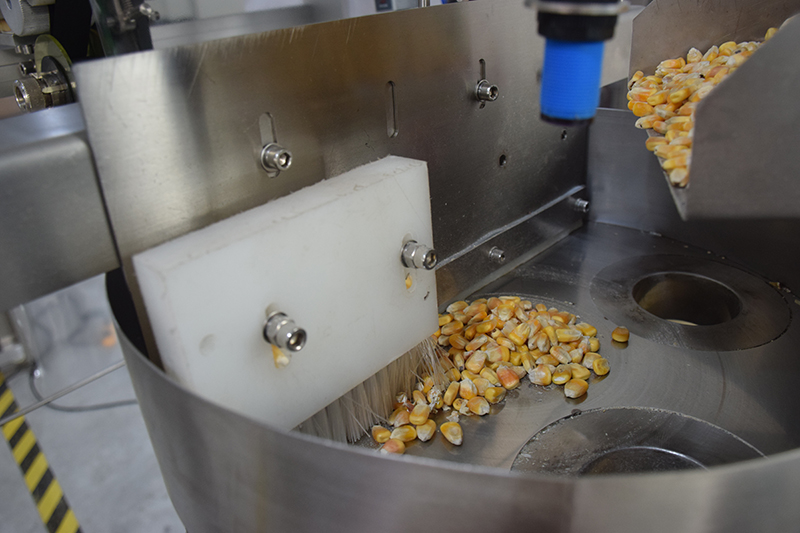
Inaccurate Weighing and Filling Discrepancies
Product giveaway or under-filled bags can damage both your profit margins and your brand reputation. Maintaining exact measurements is a core requirement for any snack packaging systems setup.The Solution: Establish a strict daily calibration routine using certified test weights. Additionally, ensure that the machine's dust extraction systems are functioning correctly. In a heavy-duty snack packaging machine, dust accumulation can trick the sensors, so routine cleaning of the electronic weighing components is vital to restoring accuracy.
Poor Film Tracking and Sealing Failures
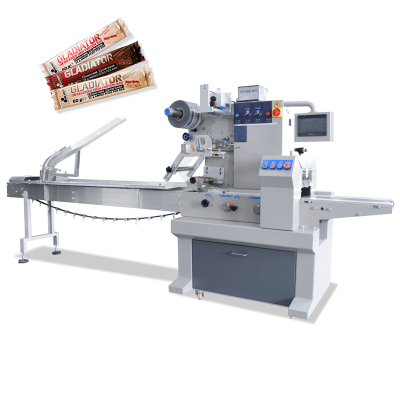
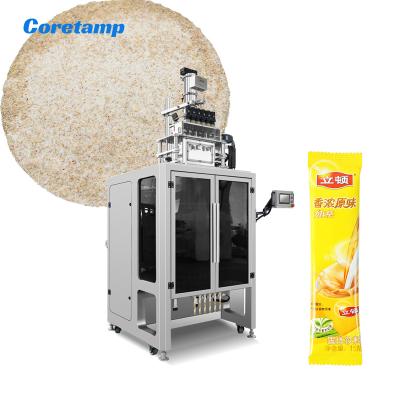
A pristine package is vital for preserving product freshness and catching the consumer's eye on retail shelves. Defective seals or misaligned film roll tracking can ruin an entire batch of inventory.The Solution: Modern automated packaging systems feature automatic film tracking sensors that micro-adjust the film roll position in real-time. If the issue is a poor seal, check the heating elements and thermocouples. When running a granule packaging machine for powdery items, ensure that the sealing jaws are equipped with air-blow centers to clear away loose particles before the thermal clamp engages.
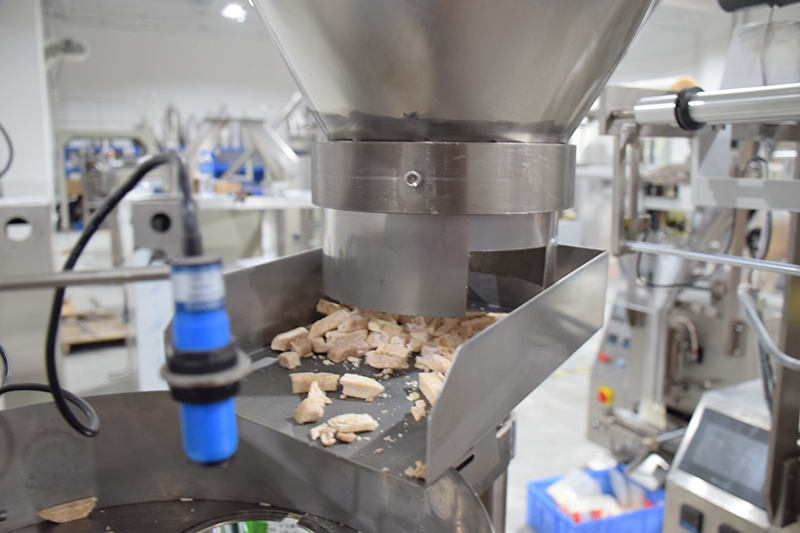
Mechanical Wear and Timing Misalignments
An automatic packing line relies on a perfectly orchestrated symphony of pneumatic cylinders, belts, and cutting jaws. If one component falls out of sync, the entire system can grind to a halt.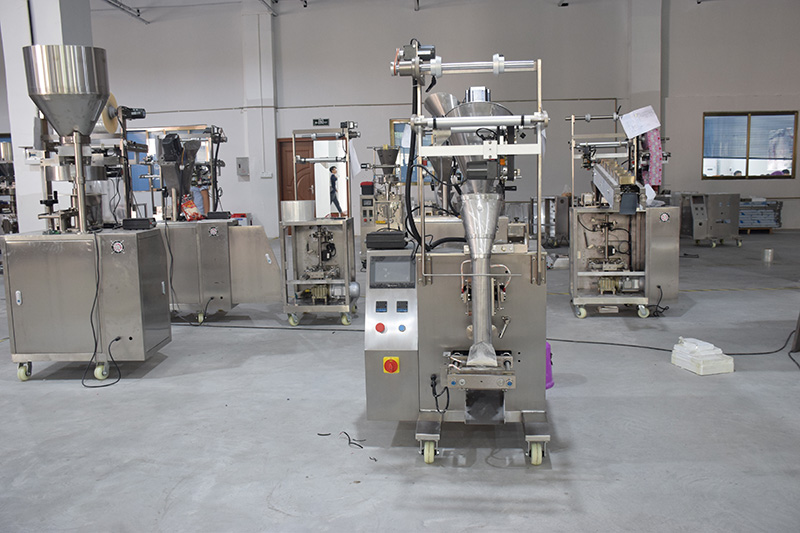
Categorías

Foshan Coretamp maquinaria de envasado Co., ltd. se especializa en la producción de máquinas de envasado de almohadas, máquinas de envasado vertical, máquinas de envasado en línea de procesamiento de alimentos, máquinas de envasado de verduras, máquinas de embalaje, etc.
Para consultas sobre nuestros productos o lista de precios, déjenos en nuestras manos y nos pondremos en contacto dentro de las 24 horas.
 No. 12 South Chuangye Road, Zhaoda Pioneer Park, Shishan Town, Nanhai District, Foshan City, GD, China
© Derechos de autor: 2026 Foshan Coretamp Packaging Machinery Co., Ltd. Todos los derechos reservados.

IPv6 red compatible


 español



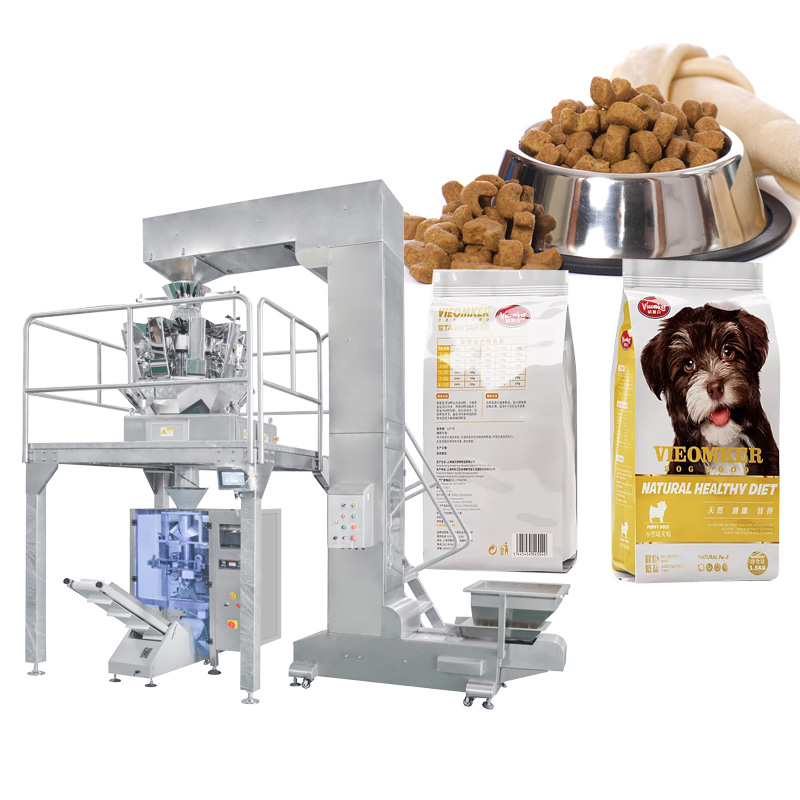 empaquetadora vertical
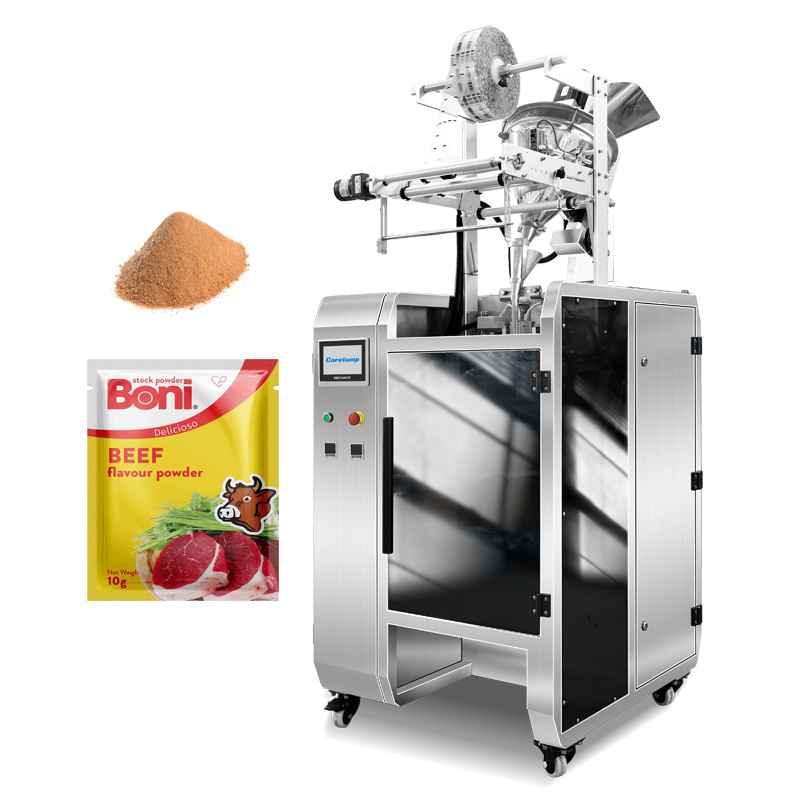 Powder Packaging Machine
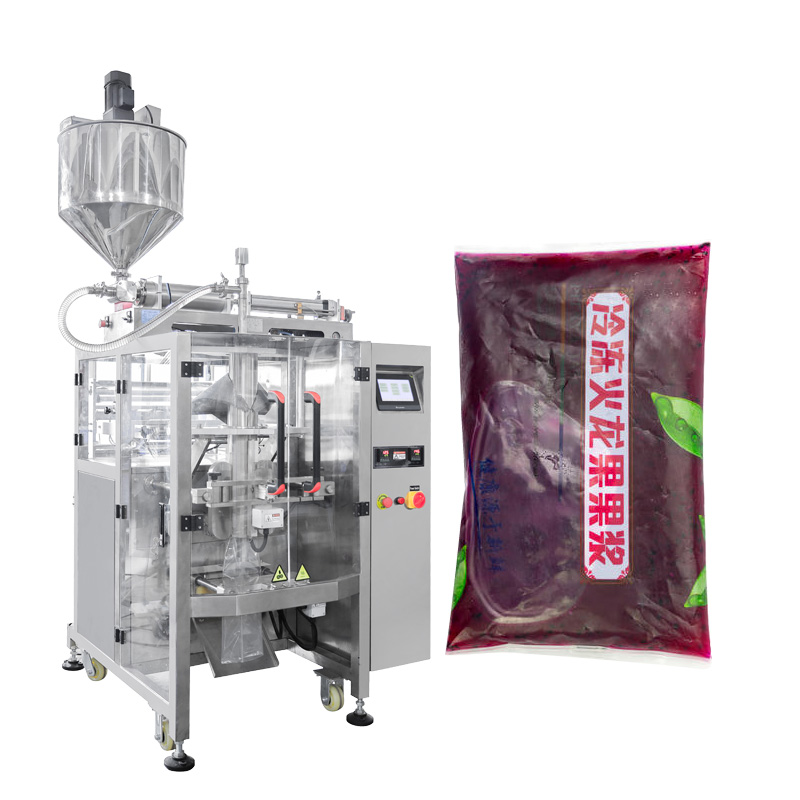 Liquid Packaging Machine
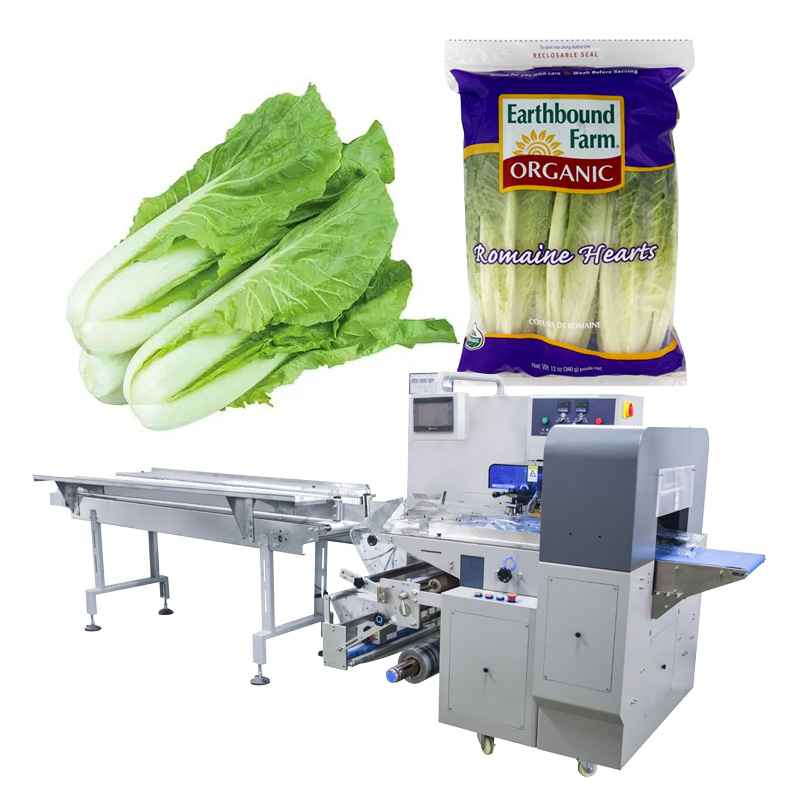 Máquina de envasado de paquetes de flujo
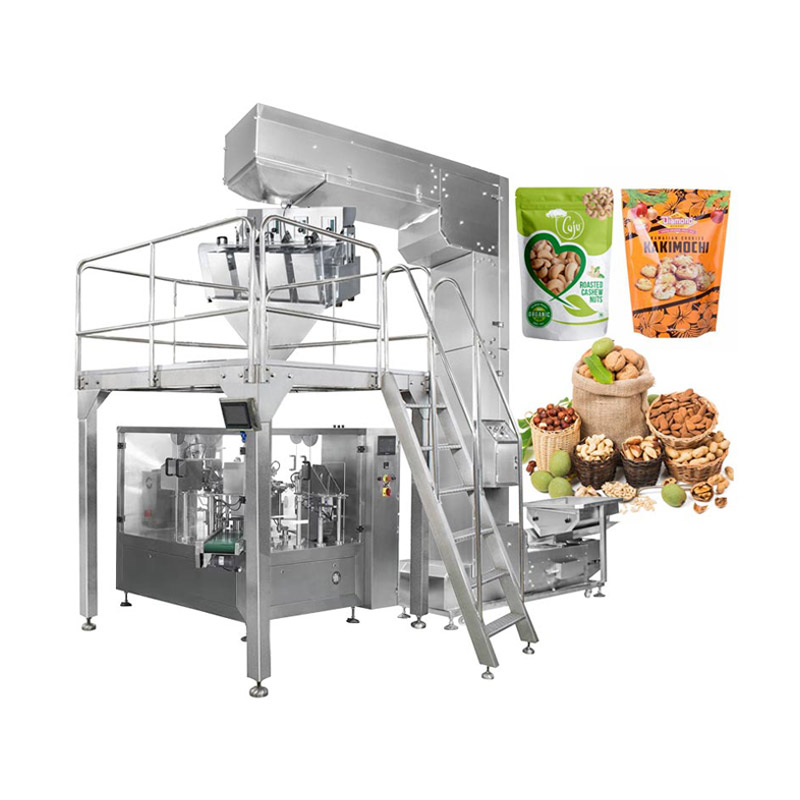 Premade Pouch Packaging Machine
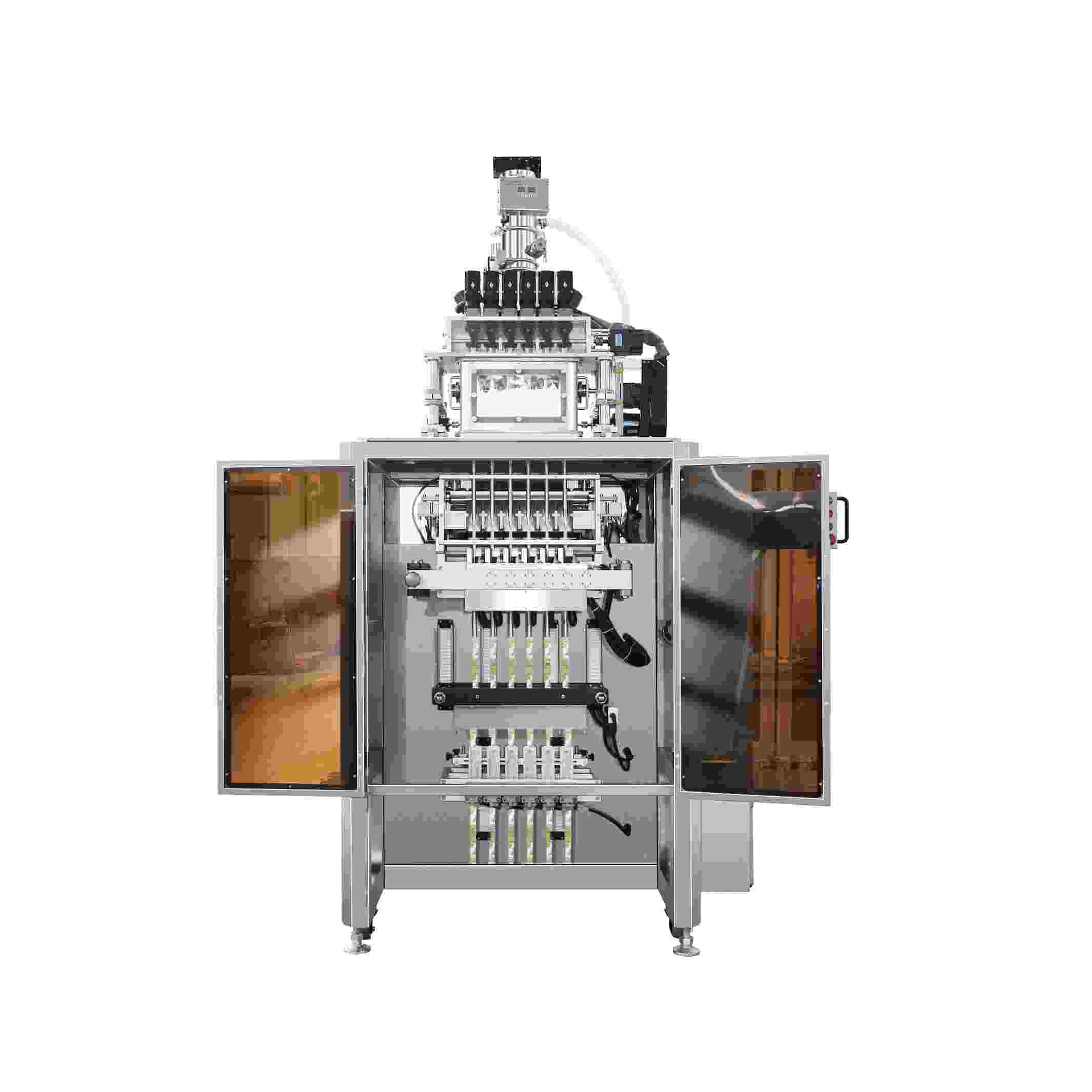 Varios carriles máquina de embalaje
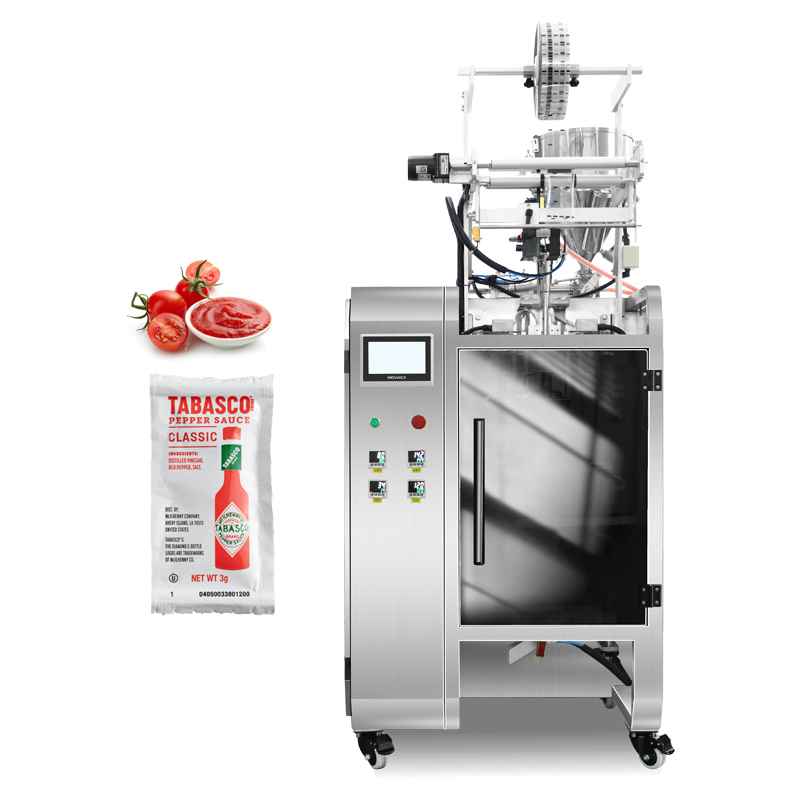 Sachet Packaging Machine
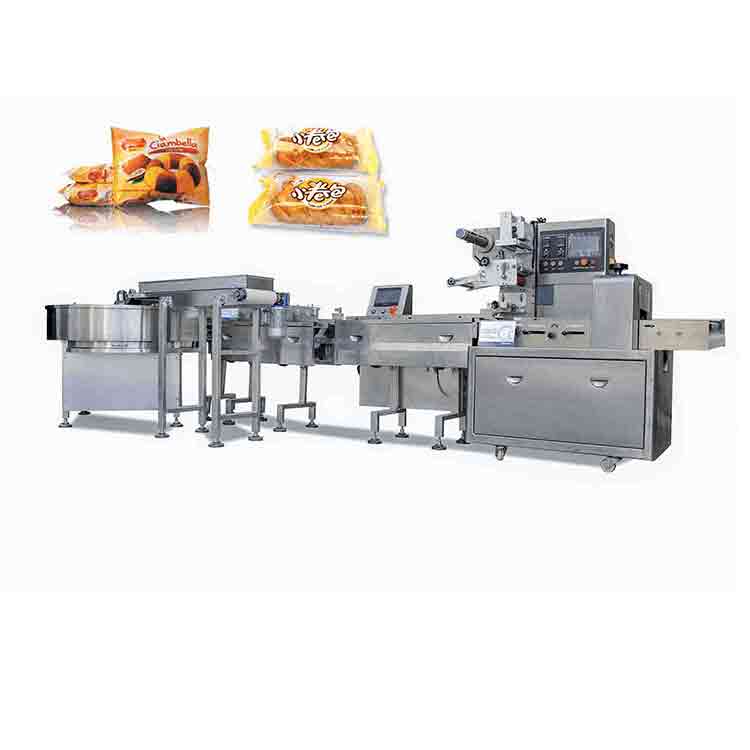 línea de envasado automático